

When we think of Halloween today, we picture pumpkins, costumes, trick-or-treating and children arriving at the door looking for sweets.
But did you know that many of these traditions have their roots right here in Ireland?
Long before Halloween became the international celebration we know today, our ancestors were marking the arrival of winter with a festival called Samhain.
And while Halloween has changed considerably over the centuries, some of the old Irish customs are still very much alive.
Where Did Halloween Come From?
Halloween has strong connections to the ancient Celtic festival of Samhain, pronounced roughly “Sow-in”.
Samhain marked the end of the harvest season and the beginning of winter. It was one of the most important dates in the traditional Irish calendar, with Bealtaine on 1 May marking the beginning of summer.
For our ancestors, this was a significant time of year. The harvest had been gathered, the days were growing shorter and families were preparing for the colder, darker months ahead.
Samhain was also associated with the supernatural.
People believed that at this time of year, the boundary between the living and the spirit world was particularly thin. The spirits of the dead might return, while fairies and other mysterious beings were thought to be wandering the countryside.
It’s not difficult to imagine how frightening that must have been on a dark October night, long before electric lighting!
As Christianity became established in Ireland, older seasonal customs continued alongside Christian traditions.
The name Halloween comes from All Hallows’ Eve, the evening before All Saints’ Day on 1 November. All Souls’ Day follows on 2 November.
You may also have heard of Día de los Muertos, the Day of the Dead, celebrated particularly in Mexico. Although it takes place around the same dates and also honours those who have died, it has its own distinct Mexican cultural traditions.
But back to Ireland, and some of the customs that helped make Halloween what it is today.
Halloween Traditions We Grew Up With
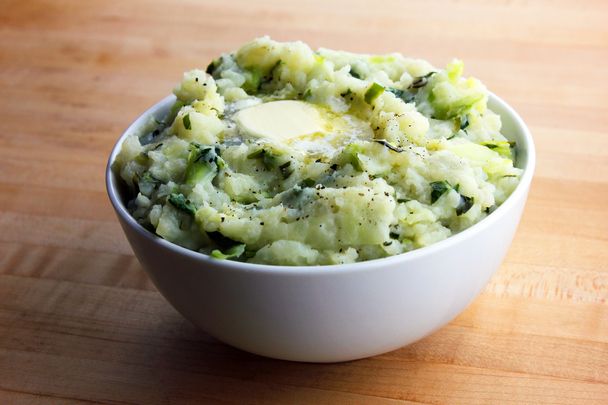
Colcannon for Dinner
For generations of Irish families, Halloween dinner meant one thing. Colcannon!
This traditional dish is made with mashed potatoes, cabbage or kale, and often onions or scallions, with plenty of butter.
In some households, coins were hidden in the colcannon for children to find. Other families had their own variations of the tradition.
Finding money in your dinner was supposed to bring good fortune, although it probably wouldn’t go down too well with today’s food safety advice!
Colcannon is still a favourite in many Irish homes, particularly at Halloween.
Bobbing for Apples and Snap Apple
Who remembers trying to catch an apple with their teeth while everyone stood around laughing?
Bobbing for apples was one of the great traditional Halloween games.
Apples were placed in a basin of water, and the challenge was to catch one using only your mouth.
Another variation was snap apple, where an apple was suspended from a string and players tried to take a bite without using their hands.
These games weren’t just about having fun.
In Irish folklore, Halloween was also a time for predicting the future, particularly when it came to marriage.
One belief was that the first person to catch or bite the apple would be the first to marry.
Whether that ever worked is another matter entirely!

Jack O’Lantern and the Irish Turnip
Here’s a Halloween tradition that surprises quite a few people.
Before pumpkins became popular, people in Ireland carved turnips.
And if you’ve ever tried carving a turnip, you’ll know it takes considerably more effort than carving a pumpkin!
The Irish would hollow out turnips, cut frightening faces into them and place a candle inside. These lanterns were sometimes displayed in windows or carried around on Halloween night.
They were intended to frighten people and, according to tradition, help keep unwanted spirits away.
But where did the name Jack O’Lantern come from?
One of the best-known Irish folk tales tells the story of a man called Stingy Jack, a blacksmith who managed to trick the Devil.
When Jack died, he was refused entry into Heaven and wasn’t welcome in Hell either.
According to the story, the Devil gave him a burning coal, which Jack placed inside a hollowed-out turnip.
He was condemned to wander the earth with only his little lantern to light the way.
The story became associated with the frightening lanterns people carved at Halloween.
When Irish emigrants brought the tradition to America, pumpkins eventually became the preferred choice because they were larger and easier to carve.
So the next time you see a glowing pumpkin on a doorstep, remember that its ancestors were Irish turnips!
The National Museum of Ireland, Country Life, preserves an example of a traditional Irish ghost turnip in its collection.

The Ivy Leaf
This is one of the older Halloween customs that isn’t heard about quite as often today.
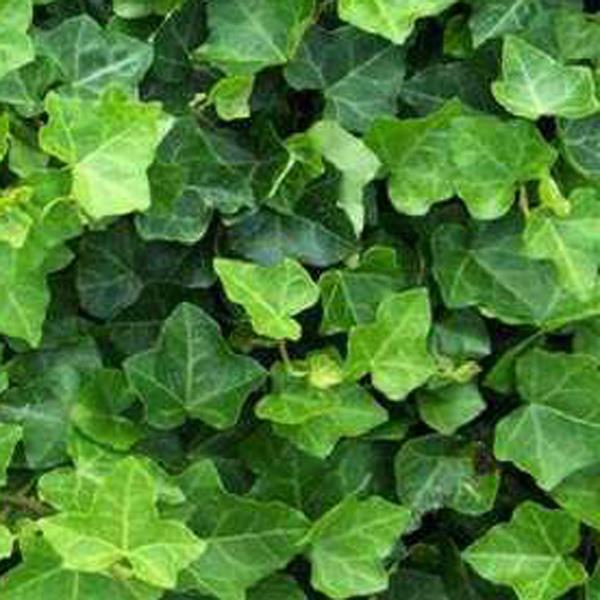
According to Irish folklore, family members would each place an ivy leaf into a cup of water and leave it undisturbed overnight.
The following morning, the leaves would be examined.
If your leaf was still fresh and unblemished, it was considered a sign of good health for the coming year.
If it had developed spots or begun to deteriorate, the prediction wasn’t quite so encouraging.
Like many Halloween traditions, this was a form of fortune-telling rather than anything to be taken too seriously.
Still, it shows just how closely Halloween was connected with people’s hopes and fears about the year ahead.
Barmbrack and Telling Your Fortune
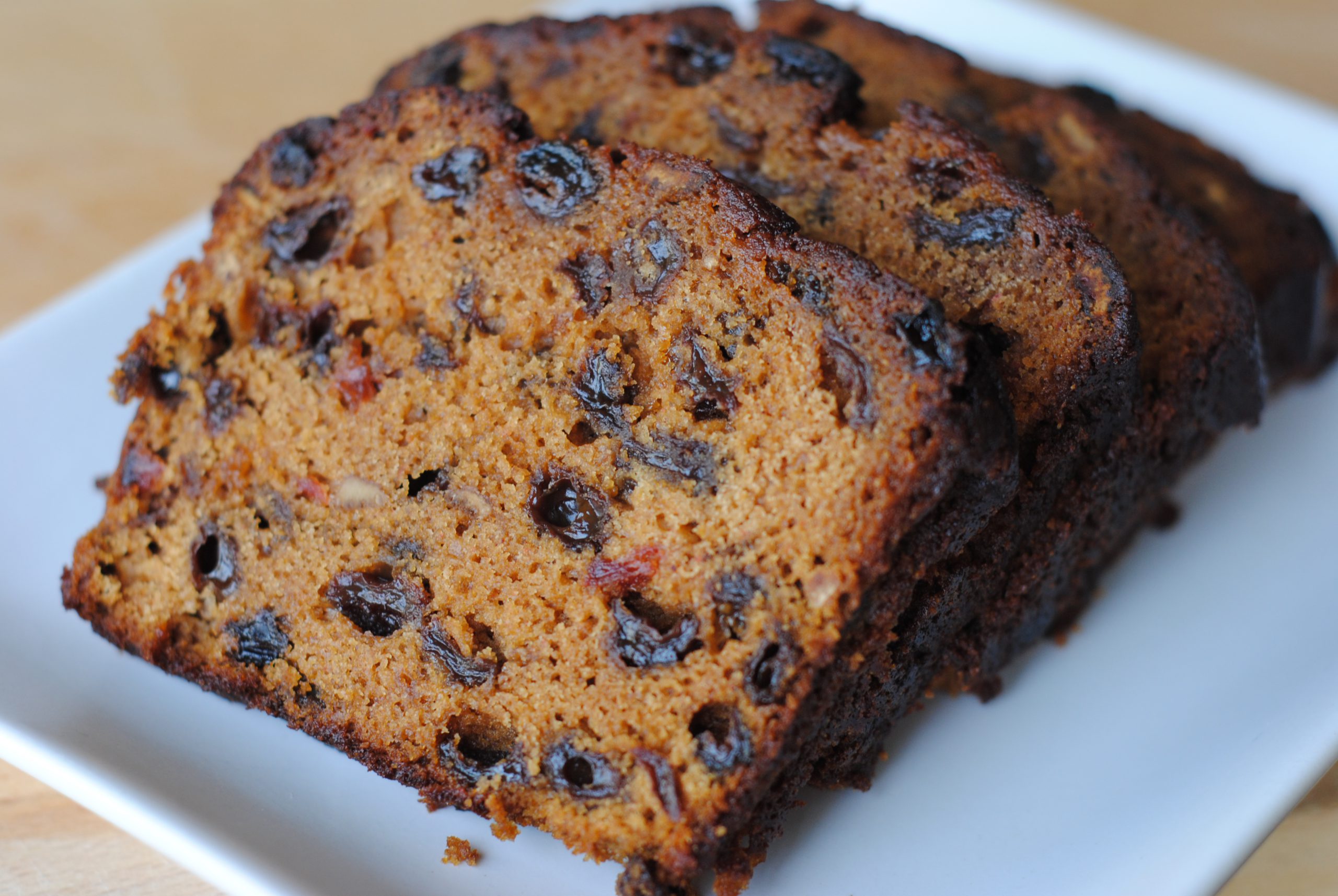
Another great Irish Halloween tradition is barmbrack, or báirín breac.
This fruit bread has been part of Halloween celebrations in Ireland for generations.
But traditionally, it wasn’t just about enjoying a slice with a cup of tea.
The brack could supposedly tell your future.
Different objects were hidden inside the loaf, and whatever appeared in your slice was believed to reveal something about the year ahead.
The ring was probably the most sought-after object because finding it meant marriage was on the cards.
A coin was a sign of wealth, while a rag was associated with poverty.
A thimble suggested that the person would remain unmarried.
Some families had other objects and meanings too.
Nowadays, it’s usually the ring that survives in shop-bought bracks.
If you’re following the old tradition at home, take care with anything hidden in food. Small objects can be a choking hazard.
Trick-or-Treating
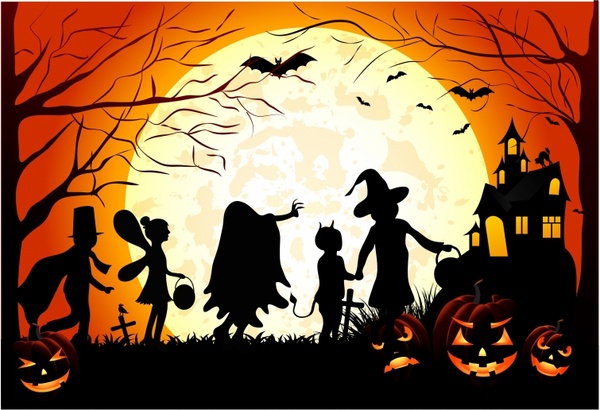
Children dressing up and going from house to house might seem like a modern Halloween tradition, but Ireland has a long history of people visiting neighbours in disguise.
In the past, groups of children and sometimes adults wore masks or costumes and travelled from door to door.
They might sing, perform a little entertainment or play a prank in return for food, money or other treats.
This was often known as guising.
Over time, these customs helped shape the modern tradition of trick-or-treating.
Today, of course, children are far more interested in coming home with a bag full of sweets than performing a song for the neighbours!
The Halloween Bonfire
Bonfires were once a major part of Halloween celebrations in Ireland.
Samhain marked the beginning of winter, and fire was associated with protection, seasonal change and the coming of the darker months.
Communities gathered around large fires, and various customs and superstitions developed around them.
In some traditions, embers from a communal fire were brought home to relight the household hearth.
There were also old fortune-telling customs associated with bonfires.
One belief was that throwing a strand of hair into the fire could lead to a dream about your future husband or wife.
Bonfires have remained part of Halloween in some Irish communities, although today there are obvious concerns about safety and the environment.
The old traditions are fascinating, but they’re probably best remembered through their stories rather than recreated!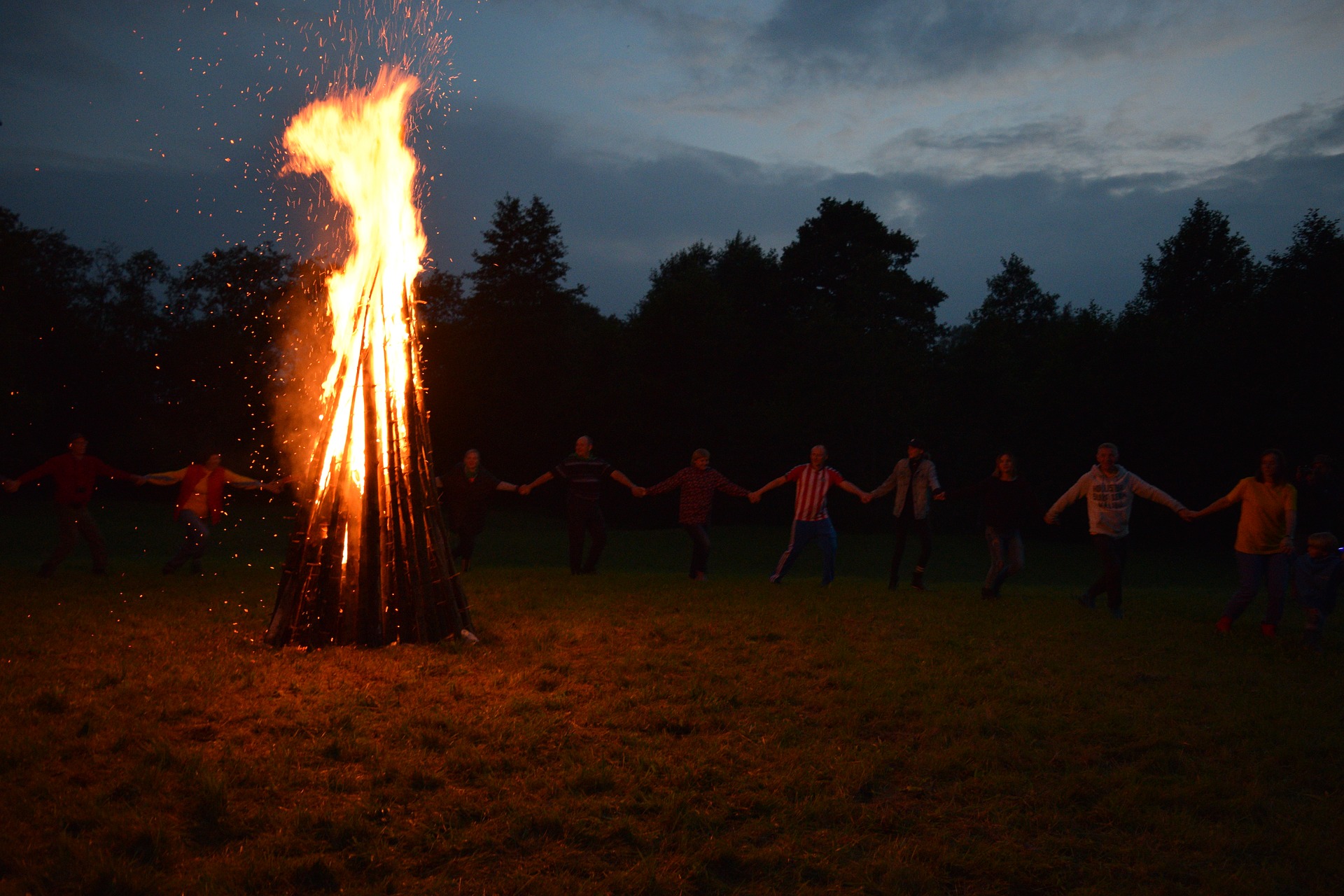
Picking Cabbage Blindfolded
Now here’s one Halloween custom that would certainly raise a few eyebrows today.
In some parts of Ireland, young unmarried people would go into a cabbage patch blindfolded and pull up the first cabbage they could find.
The cabbage was then examined for clues about their future husband or wife.
If the roots were covered in soil, it was said their future partner would be wealthy.
The cabbage might even be tasted to predict whether that person would have a sweet or bitter temperament.
Whether anybody made a successful marriage based on a cabbage is anybody’s guess.
But it does show the wonderful imagination behind so many of our old Halloween customs.
Halloween in Waterford
Waterford has its own place in Ireland’s Halloween traditions.
In local folklore, Halloween was sometimes known as Oíche na hAimléise, or the Night of Mischief.
Pranks, disguises and the occasional knock on a neighbour’s door followed by a quick escape were all part of the fun.
Of course, Waterford’s connection with Halloween goes beyond those old customs.
Our history, folklore, ancient buildings and atmospheric streets make this a particularly interesting place to explore at this time of year.
And every October, Halloween brings another reason for families, residents and visitors to enjoy what Waterford has to offer.
Keeping Our Halloween Traditions Alive
Halloween may look very different today from the celebrations of our ancestors.
The carved turnips have largely been replaced by pumpkins. Children now arrive at the door dressed as everything from witches and skeletons to superheroes. And many of the old fortune-telling games have disappeared from family celebrations.
But the Irish roots of Halloween are still there.
They’re in the barmbrack, the apple games, the costumes, the stories and the excitement of Halloween night.
It’s wonderful to think that traditions associated with Ireland centuries ago are now celebrated by millions of people around the world.
So this Halloween, as you carve your pumpkin, enjoy a slice of brack or answer another knock at the door, spare a thought for the generations who celebrated before us.
And remember, there’s much more to Halloween than sweets and scary costumes.
Some of its most fascinating traditions began right here in Ireland.
For more local events, attractions and things to do, visit Waterford In Your Pocket.